Why Data Matters: The Nonprofit Gold Standard
It's easy to look at the beginning of a new year and focus on the tangible, the bank balance, the number of volunteers who showed up last quarter, or the stack of thank-you notes waiting to be sent. These are the immediate metrics of a nonprofit's operation. But without good data, they are just snapshots, not a moving picture of your true effectiveness.
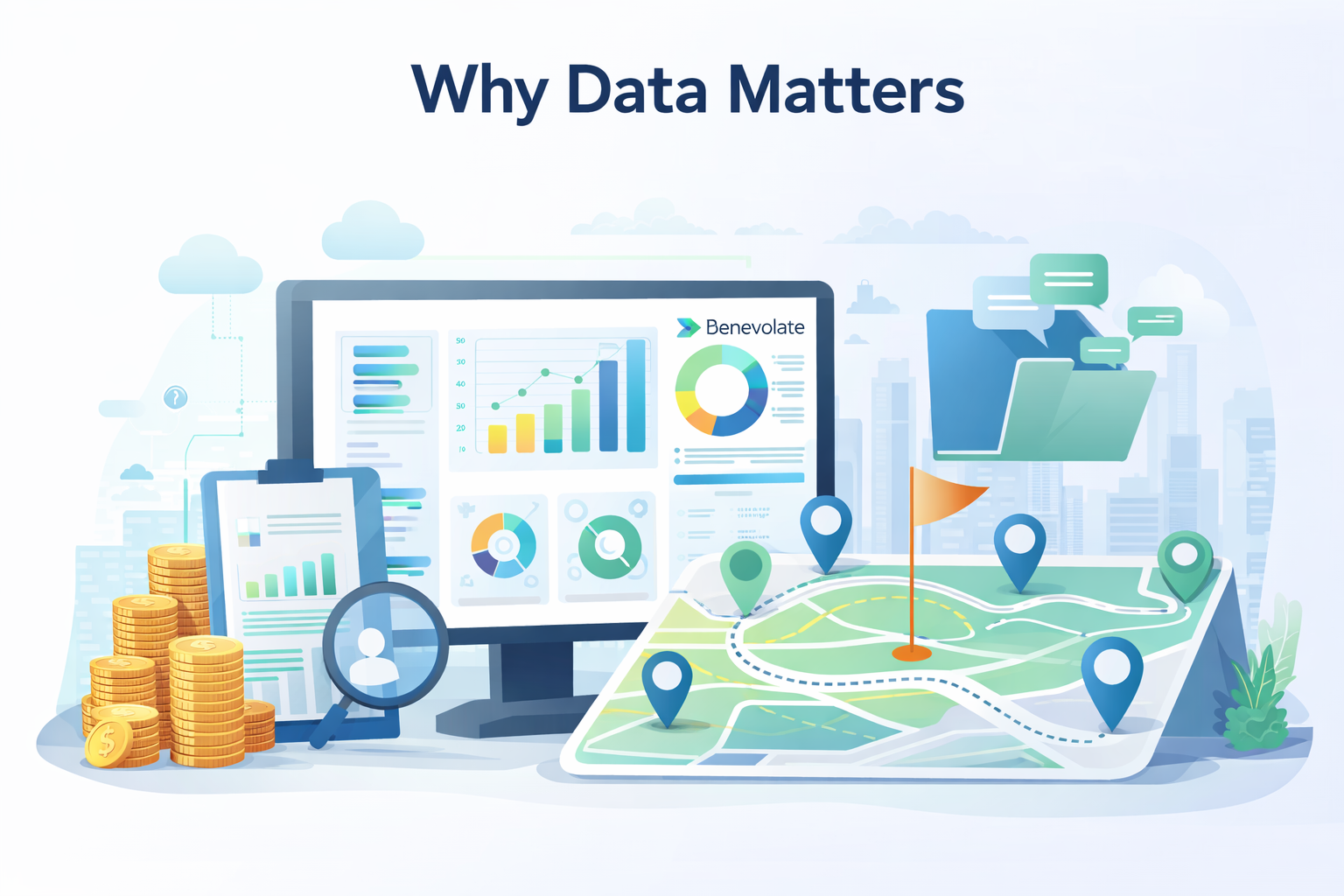
Think of data as the GPS for your mission. You know your destination (your mission's goal), but without real-time data, you're driving blind, relying on outdated maps and guesswork. You might be getting closer, but you’re likely wasting fuel (time and resources) on inefficient routes. This is the challenge that keeps me up at night when I think about the thousands of dedicated nonprofits striving to make a difference. They have the passion and the people, but they often lack the crucial evidence that proves their work is actually changing the landscape.
The Data Deficit: A Common Pain Point
When I say "data," I'm not just referring to the total dollars raised or the number of services provided. I'm talking about the story within the numbers:
- Donor Behavior: Which communication touchpoints lead to a second gift? What is the average lifespan of a major donor? Without this insight, you might be sending generic appeals to everyone, which feels impersonal and generates diminishing returns.
- Program Efficacy: Are your programs truly moving the needle for your beneficiaries, or are they simply maintaining the status quo? Data on long-term outcomes, not just immediate outputs, is essential for proving impact to major funders and the community.
- Operational Efficiency: Where are you spending too much staff time? Which administrative tasks could be automated? Data reveals these bottlenecks, freeing your team to focus on mission delivery rather than manual reporting.
Many nonprofits are sitting on a treasure trove of information, scattered across spreadsheets, various databases, and even physical files. The problem isn't a lack of data; it's the inaccessibility and fragmentation of it. Staff members spend countless hours manually compiling reports that, by the time they are finished, are already outdated. This is where the true gap lies: between raw information and actionable intelligence.
Benevolate: Transforming Information into Insight
This is precisely why Benevolate exists. We recognized that the single biggest hurdle for mission-driven organizations wasn't a lack of generosity from the community, but a lack of clarity within the organization. Our platform is designed to take that disparate, fragmented information and weave it into a coherent narrative of success and opportunity.
Our Report Module is a testament to this philosophy. It's built on the understanding that one size doesn't fit all.
- Custom Reports let you drill down into niche-specific performance indicators, providing tailored answers to your most pressing strategic questions.
- The Library of Templated Reports provides instant access to industry-standard metrics, think of them as best-practice blueprints for standard reports needed by boards and funders.
- And finally, the AI Reports are the future. They move beyond simply summarizing past activity. Our AI analyzes trends, flags anomalies, and even suggests potential opportunities or risks, giving you a predictive edge. It’s like having a dedicated data scientist on your team, available 24/7.
Embracing a data-forward strategy isn't a luxury; it’s a necessity for sustainability and growth. As we embark on this new year, I urge every nonprofit leader to resolve not just to do more, but to know more. Commit to leveraging the power of data to truly understand your impact, optimize your operations, and ultimately, amplify your mission for the people who need you most.